These are unusual times. These poets are tale-tellers of their world. (All rights reserved. 2026)
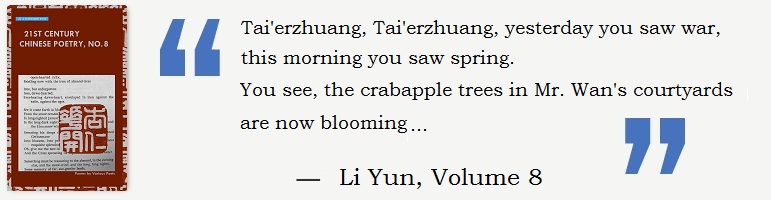
From 2012 to 2015, our team worked with a group of Chinese poets in China to introduce contemporary Chinese poetry to the wider world. We translated the works of 66 contemporary Chinese poets into English and broadcast them on this website and in print (ISSN 2166-3688).
From 2018 to 2022, we further collaborated with China's Poetry Journal (诗刊) to bring a selection of their monthly publication to world-wide readers. Poetry Journal (Beijing, China)was founded in 1957, with an emphasis on the publication of contemporary Chinese poetry as well as classical poetry by living poets. It is the widest-circulated poetry journal in China.
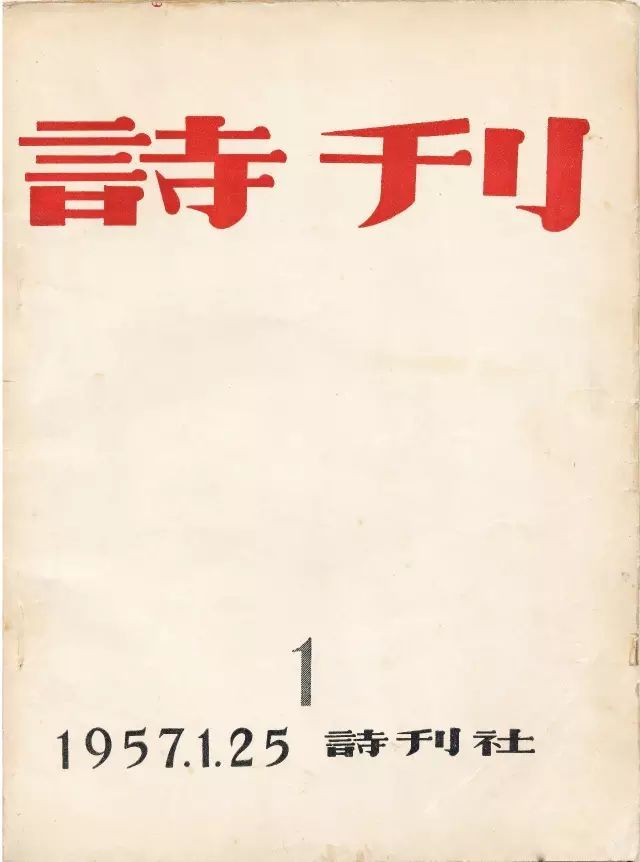 Circulating more than sixty years, the journal has brought together and introduced a great number of poets, reflecting many of the sweeping changes that the country has witnessed over that period.
For a decade, this website has been a labour of love of the editor, out of devotion to poetry and poets, to bring contemporary Chinese poetry to English-speaking readers.
Since 2023, Meifu has turned some of her attention to her own poetry and to poetry from other parts of the world, but continues to meet with Chinese poets periodically, in China and overseas, to explore ways to add new poems to this website. Please continue to explore the poems translated here over the years. Meifu is also gradually updating the earlier issues of 21st Century Chinese Poetry (No.1 - No. 15) and adding them to this website.
You can read some of Meifu's poems here: Go to Meifu's Poems
This poem was originally written in Chinese. Its English translation first appeared on this website and in an issue of 21st Century Chinese Poetry, paperback and ebook editions. (The books are currently out of print, but their contents are gradually being added to this website.)
We encourage you to read this poem as an exercise of slow reading.
以上英译诗的汉语原作, 请读: 关于银镯(诗人:任先青)
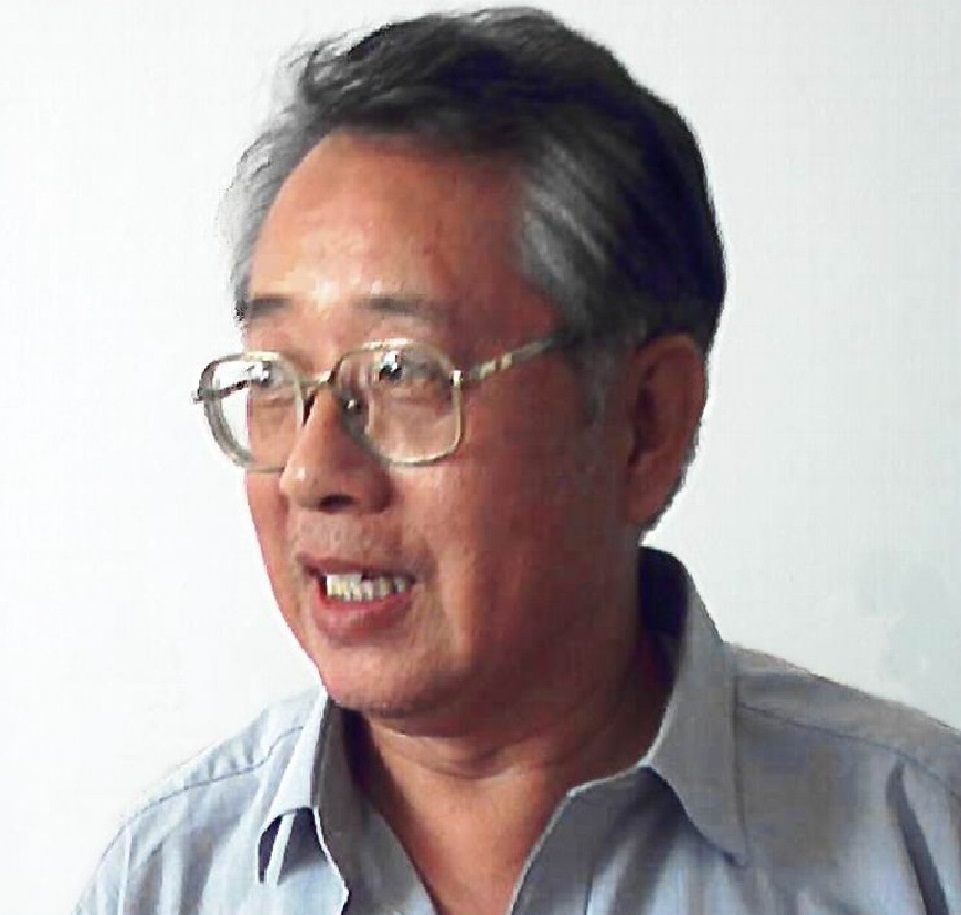
Ren Xianqing 任先青
b. 1943
Born in Caizhou, Shandong Province, Ren Xianqing graduated from Qufu Normal University with a degree in Chinese Language and Literature, and worked as the principal of a local high school. He has published several poetry anthologies, including The Heart Knows No Boundaries, Heart-Shape Leaves, and Selected Poems of Ren Xianqing.
任先青,山东莱州人。1966年毕业于曲阜师范学院中文系。中国作家协会会员,德州市作家协会顾问,德城区文联副主席,原德州三中副校长。
Ren Xianqing's poems: Waiting for a Train in the Province of Poetry,The Dreams of Siberian Cockleburs,Wintry Mix, Palm Reading, Fire Fox, Silver Bracelet, Cold Silvery Rain, and Insomnia.